
Explore how the human digestive system regulates its pH levels. Learn the distinct pH ranges of the mouth, stomach, and intestines required for proper digestion.
Digestive System pH Levels by Organ
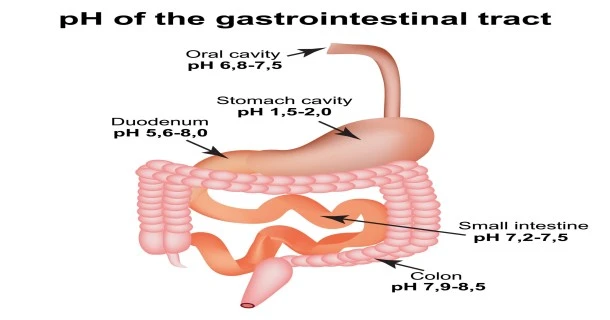
The table below provides a direct comparison of the physiological pH values across the human gastrointestinal tract:
| Digestive Organ | Normal pH Range | Chemical Environment | Primary Digestive Function Supported |
| Mouth / Saliva | 6.8 – 7.2 | Near Neutral | Initiates carbohydrate breakdown via amylase |
| Esophagus | 6.8 – 7.0 | Near Neutral | Safely transports food without tissue damage |
| Stomach | 1.5 – 3.5 | Highly Acidic | Denatures proteins; destroys micro-organisms |
| Small Intestine | 6.0 – 8.0 | Mildly Alkaline | Maximizes nutrient absorption via enzymes |
| Large Intestine | 5.5 – 7.0 | Slightly Acidic to Neutral | Supports gut microbiota fiber fermentation |
Detailed Breakdown of the GI Tract pH Gradient
Mouth and Esophagus (pH 6.8 – 7.2)
- Salivary Activation: The salivary glands produce fluid that maintains a near-neutral environment.
- Enzyme Optimization: This specific neutral range optimizes the function of salivary amylase, an enzyme that initiates the chemical breakdown of dietary carbohydrates into simpler sugars.
- Esophageal Protection: As food transit moves through the esophagus, maintaining a neutral pH protects the delicate squamous mucosal lining from irritation.
Stomach (pH 1.5 – 3.5)
- Hydrochloric Acid Secretion: Upon the arrival of food, specialized parietal cells in the gastric lining secrete concentrated hydrochloric acid (HCl), dropping the pH drastically.
- Protein Denaturation: The steep acid level unwinds complex protein structures, allowing digestive enzymes to access their chemical bonds.
- Enzyme Activation: This low pH converts the inactive proenzyme pepsinogen into active pepsin, which is the primary enzyme responsible for digesting proteins.
- Immune Defense: Gastric acid acts as a biological shield, destroying dangerous bacteria, viruses, and parasites ingested alongside food.
Small Intestine (pH 6.0 – 8.0)
- Acid Neutralization: Highly acidic chyme leaving the stomach must be quickly neutralized to avoid burning the intestinal wall. The pancreas achieves this by secreting large quantities of sodium bicarbonate into the duodenum.
- Alkaline Enzyme Performance: The transition to a mildly alkaline environment activates pancreatic enzymes (such as trypsin, chymotrypsin, and pancreatic lipase) along with liver bile. These elements require a basic pH to efficiently digest fats, proteins, and carbohydrates for absorption.
Large Intestine (pH 5.5 – 7.0)
- Microbial Fermentation: The pH drops slightly back into a mild acidic or neutral range within the colon. Trillions of symbiotic gut bacteria ferment undigested complex carbohydrates and fibers.
- Short-Chain Fatty Acids (SCFAs): This fermentation process generates beneficial short-chain fatty acids (like butyrate and acetate). These acids slightly lower the colonic pH, which creates an unwelcome environment for harmful pathogenic bacteria, protecting the colon.
Frequently Asked Questions (FAQ)
What is the normal pH level of a healthy stomach?
A healthy stomach maintains a highly acidic fasting environment with a pH typically ranging between 1.5 and 3.5. This intense acidity is driven by hydrochloric acid, which is necessary to activate protein-digesting enzymes and eliminate ingested pathogens.
Why does the small intestine need an alkaline or basic pH?
The small intestine requires a mildly alkaline pH (6.0 to 8.0) because the vital digestive enzymes produced by the pancreas cannot function in an acidic environment. The basic environment safely protects the intestinal tissue from acid erosion and allows optimal nutrient absorption.
How does the body neutralize acidic food leaving the stomach?
As acidic chyme passes from the stomach into the duodenum (the first part of the small intestine), the pancreas releases sodium bicarbonate. This chemical acts as a natural buffer, rapidly raising the pH to a safe, alkaline level.
Can what you eat permanently change your digestive tract's pH?
No. The digestive tract tightly self-regulates its localized pH levels using internal feedback loops and cellular secretions. While specific foods can cause temporary, minor fluctuations or trigger acid reflux, dietary intake cannot fundamentally alter or rewrite the strict homeostatic pH zones of your GI tract organs.