
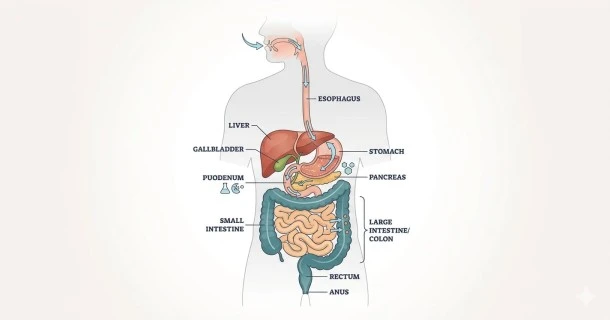
Explore how the human digestive process works. Learn about key GI organs, primary digestive enzymes, regulatory hormones, and common causes of digestive disorders.
The Human Digestive System: Anatomy, Process, and Common Disorders
The human digestive system, also known as the gastrointestinal (GI) system, is a complex network of organs responsible for breaking down food into essential nutrients and energy that the body needs to function optimally. When the digestive system experiences disruptions, it can significantly impact overall health and well-being.
Anatomy of the Gastrointestinal Tract
The complete digestive tract forms a continuous hollow pathway extending from the mouth to the anus. It is supported by several accessory organs that produce vital digestive secretions.
- The Primary GI Tract: Includes the mouth, esophagus, stomach, small intestine (small bowel), and large intestine (colon and rectum). In a healthy adult, this tract spans approximately 5 to 9 meters (20 to 30 feet) in length.
- Accessory Digestive Organs: Includes the liver, gallbladder, and pancreas. These organs synthesize and store enzymes, bile, and hormones crucial for nutrient breakdown.
How the Digestive Process Works
In a healthy adult, the complete journey of food through the digestive tract typically takes between 24 to 72 hours, depending on individual metabolism, diet, and hydration. Digestion relies on two synchronous mechanisms:
- Mechanical Digestion: The physical breakdown of food into smaller pieces, beginning with chewing in the mouth and continuing through the churning motions of the stomach.
- Chemical Digestion: The molecular breakdown of food using complex secretions, including specialized enzymes, gastric acids, and regulatory hormones.
Key Digestive Hormones
The endocrine cells within the GI tract secrete specific regulatory hormones to coordinate the movement of food and the release of digestive juices. Key hormones include:
- Gastrin: Stimulates the stomach lining to produce gastric acid for protein breakdown.
- Secretin: Signals the pancreas to release bicarbonate, neutralizing highly acidic stomach contents entering the small intestine.
- Cholecystokinin (CCK): Triggers the gallbladder to contract and release bile while stimulating the pancreas to release digestive enzymes.
- Gastric Inhibitory Peptide (GIP): Slows stomach emptying and stimulates insulin secretion.
- Motilin: Regulates the rhythmic waves of smooth muscle contractions (peristalsis) that move contents through the tract.
Essential Digestive Enzymes and Functions
Digestive enzymes catalyze the breakdown of complex macromolecules into bioavailable micromolecules that can be readily absorbed into the bloodstream. They are categorized by their target substrates:
- Proteases and Peptidases: Break down complex dietary proteins into individual amino acids and peptide chains.
- Lipases: Hydrolyze fats (lipids) into fatty acids and glycerol molecules.
- Carbohydrases (Amylase): Convert complex carbohydrates and starches into simple sugars like glucose.
- Nucleases: Break down nucleic acids (DNA and RNA from consumed food) into simpler nucleotides.
Common Causes of Digestive Problems and Diseases
Gastrointestinal disorders can affect any segment of the GI tract, from the esophagus down to the colon. While public perception sometimes associates digestive issues solely with modern dietary additives, medical consensus identifies a wide array of multifactorial causes.
- Dietary and Lifestyle Factors: Diets low in soluble and insoluble fiber, inadequate hydration, and chronic psychological stress can alter gut motility and alter the composition of the gut microbiome.
- Underlying Medical Conditions: Infections, autoimmune responses (such as Celiac disease or Crohn's disease), genetic predispositions, and structural abnormalities frequently trigger chronic digestive conditions.
- Medication Side Effects: Chronic use of certain medications, such as nonsteroidal anti-inflammatory drugs (NSAIDs) or frequent antibiotics, can disrupt the protective mucosal lining of the stomach and intestine.
Maintaining a balanced diet rich in whole-food fibers, engaging in regular physical exercise, managing stress, and seeking timely medical evaluations are fundamental strategies for supporting optimal long-term digestive health.
Frequently Asked Questions (FAQ)
What are the main functions of digestive enzymes?
Digestive enzymes serve as biological catalysts that accelerate the chemical breakdown of food molecules. They transform complex nutrients—proteins, fats, and carbohydrates—into amino acids, fatty acids, and simple sugars that your small intestine can easily absorb into the bloodstream.
How long does the average human digestive process take?
For most healthy individuals, it takes roughly 24 to 72 hours for food to pass completely through the gastrointestinal tract. The exact duration varies based on factors such as gender, metabolic rate, physical activity level, hydration, and the specific types of macronutrients consumed.
What causes chronic digestive issues?
Chronic digestive problems are rarely caused by a single factor. They are typically driven by a combination of genetics, autoimmune dysfunction (like Irritable Bowel Disease), chronic psychological stress, lack of dietary fiber, physical inactivity, or imbalances in the gut microbiome.