
Discover the best foods and drinks for gastroenteritis recovery. Learn about oral rehydration, pediatric feeding rules, and foods to avoid during a stomach bug.
Gastroenteritis Diet: What to Eat and Drink During the Stomach Flu
The primary focus of a gastroenteritis diet is maintaining adequate hydration while gradually reintroducing bland, easily digestible foods. When your stomach and intestines are inflamed due to a viral or bacterial infection, your body rapidly loses vital water and electrolytes through vomiting and diarrhea. Managing what you consume during this recovery phase can dramatically reduce intestinal irritation, shorten the duration of symptoms, and prevent severe dehydration.
1. Phase One: Prioritizing Rehydration (First 24 Hours)
When acute vomiting and frequent watery diarrhea are active, your immediate priority must be fluid and electrolyte replacement rather than solid food.
What to Drink:
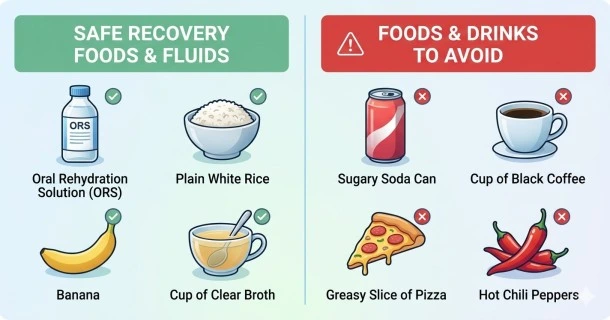
- Oral Rehydration Solutions (ORS): Over-the-counter options (like Pedialyte or generic oral rehydration salts) provide the precise, scientifically balanced ratio of water, salts, and glucose required for optimal cellular absorption.
- Diluted Broths and Clear Liquids: Organic vegetable or bone broths can help replenish lost sodium without overworking your digestive enzymes.
- How to Take Fluids: Sip very small quantities—approximately 2 to 4 ounces every 30 to 60 minutes. Forcing down large amounts of liquids all at once can overstretch an irritated stomach wall and trigger immediate vomiting.
Liquids to Avoid:
- High-Sugar Beverages: Do not drink undiluted fruit juices, sodas, or sweet sports drinks. Simple sugars pull excess water into your large intestine via osmosis, which can significantly worsen diarrhea.
- Caffeine and Alcohol: Avoid coffee, energy drinks, and alcohol, as they act as natural diuretics and further irritate the lining of your gut.
2. Phase Two: Reintroducing Bland Foods
Once your vomiting has subsided for a few consecutive hours, you can slowly begin reintroducing solid foods in small, frequent meals. While the classic BRAT diet (Bananas, Rice, Applesauce, Toast) was once standard, modern clinical guidelines encourage a more balanced, nutrient-dense approach as soon as you can tolerate it.
Recommended Recovery Foods:
- Complex Carbohydrates: Plain white rice, cream of wheat, crackers, boiled potatoes, and oatmeal are gentle on the digestive tract and provide immediate energy.
- Potassium-Rich Options: Bananas and applesauce help restore vital potassium stores depleted by diarrhea.
- Lean Proteins: Skinless, baked chicken or turkey and plain tofu supply necessary proteins to repair the intestinal mucosa without adding heavy fats.
- Probiotic-Rich Foods: Plain, unsweetened yogurt or kefir containing live, active cultures can help repopulate healthy gut flora and shorten the course of viral diarrhea.
Foods to Avoid Until Full Recovery:
- Fatty and Fried Foods: High-fat meals delay gastric emptying and can trigger immediate nausea or cramping.
- Heavy Dairy Products: Temporary lactose intolerance is incredibly common following a bout of gastroenteritis due to damage to the brush border enzymes of your small intestine. Avoid whole milk, butter, and heavy cheeses.
- Spicy and High-Fiber Foods: Raw vegetables, whole grains, nuts, and hot spices can mechanically irritate your healing bowel wall.
Pediatric Checklist: Diet Rules for Infants and Toddlers
Infants and young children run the highest risk of severe clinical dehydration.
- Breastfed Infants: Do not stop breastfeeding. Continue nursing your child on demand. Breast milk contains natural antibodies that actively fight off the underlying infection.
- Formula-Fed Infants: Continue providing regular formula. You do not need to switch to soy-based alternatives unless explicitly directed by a pediatrician.
- Fluid Delivery: If an infant is resisting fluids or vomiting, use a small medicine syringe or teaspoon to deliver a few milliliters of ORS every few minutes.
- Zinc Supplementation: For children in developing regions, clinical evidence shows that short-term zinc supplementation can effectively decrease both the duration and severity of acute childhood diarrhea.
Frequently Asked Questions (FAQs)
What is the best thing to eat when you have gastroenteritis?
The best initial choices are simple, bland, low-fat foods. This includes plain white rice, bananas, dry toast, crackers, boiled potatoes, and lean unseasoned chicken.
Why makes fruit juice and soda bad for a stomach bug?
Fruit juices and sodas contain high amounts of simple sugars (fructose and sucrose). When these sugars pass into your intestines, they draw extra water from your body out into your stools, accelerating fluid loss and worsening diarrhea.
Can I eat yogurt while recovering from gastroenteritis?
Yes, provided it is plain, low-fat, and unsweetened. The live and active bacterial cultures (probiotics) found in regular yogurt can help rebalance your gut microbiome and safely reduce the duration of infectious diarrhea.
Is the BRAT diet still recommended by doctors?
While elements of the BRAT diet (Bananas, Rice, Applesauce, Toast) are excellent for the initial transition back to solid foods, doctors now recommend returning to a normal, well-balanced diet as soon as vomiting stops to ensure proper nutritional intake.
When can I return to a regular diet after a stomach bug?
You can gradually reintroduce normal foods once your stool consistency returns to normal and your abdominal cramping subsides—usually within 3 to 4 days for a standard viral infection. Reintroduce heavy dairy and greasy foods last.