
Explore the true causes of gastroparesis and delayed gastric emptying. Learn how diabetes, surgical nerve injury, and modern medications disrupt stomach motility.
Gastroparesis Causes: Underlying Triggers of Delayed Gastric Emptying
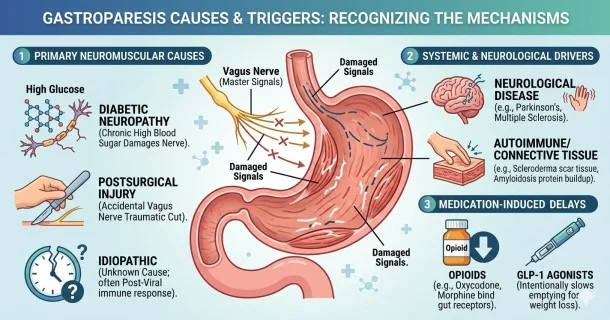
Gastroparesis is a chronic neuromuscular disorder that arises when the normal coordinated muscle movements of the stomach are severely disrupted. The primary physiological trigger for this condition is damage or dysfunction to the vagus nerve. The vagus nerve serves as the central neurological pathway managing your entire digestive process, signaling the gastric smooth muscles to contract, grind food, and push it smoothly into the duodenum.
When the vagus nerve or the specialized pacing cells within the stomach wall are damaged by disease, surgical injury, or specific medications, the stomach muscles fail to contract normally, leaving food stagnant in the gastric cavity.
Primary Causes of Gastroparesis
The overwhelming majority of clinically diagnosed gastroparesis cases stem from three main categories:
- Long-Standing Diabetes Mellitus: Chronic high blood sugar (hyperglycemia) leads to systemic diabetic neuropathy. Over time, chemical and metabolic changes damage the delicate blood vessels that supply oxygen and nutrients to the vagus nerve, causing it to fail.
- Surgical Damage (Postsurgical Gastroparesis): Accidental injury or intentional cutting of the vagus nerve (such as an inadvertent vagotomy) during upper abdominal surgeries. High-risk procedures include gastric bypass, bariatric weight-loss surgery, fundoplication for acid reflux, and partial gastrectomies.
- Idiopathic Motility Failure: Cases where a thorough clinical diagnostic workup reveals no identifiable structural, biochemical, or metabolic cause. A significant subcategory includes post-viral gastroparesis, where a severe viral illness triggers an immune response that temporarily damages gastric nerves.
Secondary Systemic and Neurological Drivers
When primary triggers are ruled out, gastroenterologists evaluate patients for less common systemic, endocrine, or neurological diseases that disrupt muscle contractility:
1. Central Nervous System and Neurological Diseases
- Parkinson's Disease: A progressive neurodegenerative disorder that alters autonomic nervous system pathways, reducing the intensity and synchronization of gastric muscle contractions.
- Multiple Sclerosis (MS): An inflammatory disease that breaks down the protective myelin sheath surrounding nerve fibers, disrupting electrical signals from the brain to the gut.
2. Autoimmune and Connective Tissue Disorders
- Scleroderma (Systemic Sclerosis): A progressive autoimmune condition that causes the body to overproduce collagen, leading to extensive tissue scarring and structural stiffening of the smooth muscles within the stomach wall.
- Amyloidosis: A rare disorder characterized by abnormal deposits of protein fibers (amyloid) directly inside gastrointestinal tissues, physically preventing the stomach muscles from expanding and contracting.
3. Endocrine Dysfunction and Metabolic States
- Severe Hypothyroidism: Insufficient thyroid hormone production slows down the body's overall baseline metabolic rate, which can lead to secondary, generalized gastrointestinal hypomotility.
Medication-Induced Gastric Emptying Delays
Certain pharmacological treatments can mimic gastroparesis by chemically slowing down digestive motility. Unlike true gastroparesis, medication-induced delays are typically temporary and resolve once the drug is safely discontinued:
- Opioid Narcotic Pain Relievers: Medications like oxycodone, hydrocodone, and morphine bind to specialized receptors in the gut, drastically slowing down peristalsis and stomach emptying.
- GLP-1 Receptor Agonists: High-profile medications used for weight loss and Type 2 diabetes management (such as semaglutide, tirzepatide, and liraglutide). These drugs explicitly slow down gastric emptying as part of their therapeutic mechanism to increase feelings of fullness.
- Anticholinergic Agents: Drugs used to treat overactive bladder, allergies, or psychiatric disorders that block the chemical signals responsible for triggering involuntary smooth muscle contractions.
Frequently Asked Questions (FAQ)
How does a viral illness cause post-viral gastroparesis?
Post-viral gastroparesis can occur after a severe, sudden infection from common viruses like Epstein-Barr virus (EBV), cytomegalovirus (CMV), or rotavirus. While the virus itself clears up, the body's aggressive immune response can leave behind localized inflammation that temporarily damages the delicate vagus nerve endings or the Interstitial Cells of Cajal (the stomach’s natural pacing cells).
Do weight-loss drugs like semaglutide cause permanent gastroparesis?
No. GLP-1 receptor agonists like semaglutide and tirzepatide slow down gastric emptying intentionally to help patients feel full longer, which can mimic mild gastroparesis symptoms like nausea or bloating. Clinical data shows that this motility delay is an extension of the drug's active pharmacological effect and typically reverses completely once the medication is stopped and clears the system.
Can severe eating disorders cause chronic delayed gastric emptying?
Yes. Long-standing eating disorders like anorexia nervosa and bulimia nervosa cause severe nutritional deficiencies and physical muscle wasting throughout the body. Because the stomach is a muscular organ, chronic starvation or repetitive purging weakens the gastric wall muscles, leading to severe temporary or long-term delayed gastric emptying that requires specialized nutritional rehabilitation to heal.