
Explore the real causes of peptic ulcer disease. Learn how H. pylori and NSAIDs systematically break down the stomach lining, and discover the truth about spicy foods.
Peptic Ulcer Causes: Triggers, Mechanisms, and Real Risk Factors
Peptic ulcers develop when the delicate balance between aggressive digestive fluids (hydrochloric acid and pepsin) and the stomach's protective mucosal barrier is severely disrupted. When these protective defense mechanisms fail, the corrosive gastric juices begin eroding the underlying tissue wall, culminating in an open sore.
While popular myths historically blamed lifestyle choices for this tissue degradation, clinical research reveals that specific biological and pharmacological agents are the true drivers of ulcer formation.
The Two Primary Causes of Peptic Ulcer Disease
The vast majority of clinically diagnosed peptic ulcers are caused by one of two distinct factors:
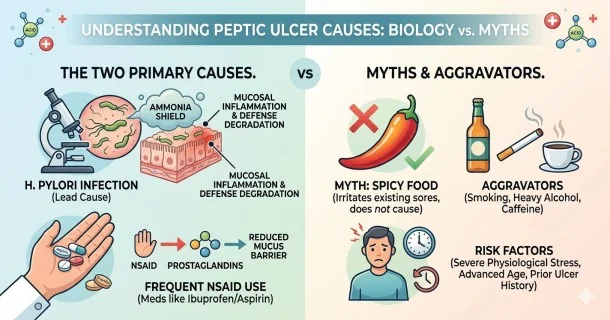
- Helicobacter pylori (H. pylori) Bacterial Infection: This spiral-shaped bacterium is the leading cause of chronic peptic ulcers globally. H. pylori thrives in highly acidic gastric environments by secreting an enzyme called urease, which converts local urea into neutralizing ammonia. This protective chemical cloud allows the bacteria to colonize the gastric mucosa, triggering a localized inflammatory response that degrades the protective mucus barrier.
- Frequent or Extended Use of NSAIDs: Nonsteroidal Anti-inflammatory Drugs are a major cause of both gastric and duodenal ulcers. Common medications in this class include aspirin, ibuprofen, naproxen, ketoprofen, indomethacin, diclofenac, and meloxicam. These drugs disrupt cellular health by blocking cyclooxygenase (COX) enzymes, which halts the production of prostaglandins—the vital compounds responsible for stimulating protective mucus and bicarbonate secretion in the stomach.
Modifying Risk Factors and Aggravating Agents
Certain environmental influences, physiological states, and lifestyle habits can compromise tissue resilience or accelerate acid production, significantly raising your susceptibility to ulcer formation:
True Physiological and Clinical Risk Factors
- Advanced Age and Comorbidities: Older adults, particularly those managing chronic inflammatory conditions like arthritis, carry a higher baseline risk due to the frequent clinical necessity of long-term NSAID therapy.
- Prior Ulcer History: Individuals who have previously suffered an upper gastrointestinal mucosal break possess a substantially higher statistical risk for recurrent ulcer development.
- Medical Radiation Therapy: Undergoing localized radiation treatments targeting abdominal malignancies can damage local vascular structures and thin out the digestive lining.
- Severe Physiological Stress: Severe physical trauma, extensive full-body burns (resulting in Curling's ulcers), or major surgical procedures alter visceral blood flow, sharply increasing the risk of acute mucosal ulceration.
Debunked Myths and Systemic Aggravators
- The Spicy Food Myth: Clinical trials show that consuming spicy dishes or foods containing capsaicin does not cause peptic ulcers. However, spicy ingredients can act as a severe topical irritant that aggravates symptoms if an open sore is already present.
- Caffeine Consumption: Drinking beverages containing heavy caffeine (like coffee or energy drinks) cannot independently create a peptic ulcer. It does, however, stimulate the parietal cells to pump out higher volumes of gastric acid, worsening an existing flare-up.
- Chronic Alcohol Intake: Heavy, unmanaged alcohol use directly degrades the lipid component of the gastric mucus barrier, lowering the stomach's natural defense line against acid damage.
- Tobacco Smoking: Smoking cigarettes slows the healing process of the mucosal lining, impairs localized blood flow, and interferes with the effectiveness of standard anti-ulcer medications.
- Psychological Stress and Anxiety: Everyday emotional worries, clinical depression, and generalized anxiety disorders do not physically cause ulcers. They can, however, alter pain perception and worsen gastrointestinal motility issues.
Frequently Asked Questions (FAQ)
Does low stomach acid allow H. pylori bacteria to grow and cause ulcers?
No, this is a common medical misconception. H. pylori does not rely on low stomach acid to grow; rather, it is uniquely adapted to survive in highly concentrated, normal stomach acid. It protects itself by releasing the urease enzyme, creating a localized neutralizing buffer around itself that allows it to burrow into and damage the protective mucosal barrier.
How do everyday pain relievers like ibuprofen physically create an ulcer?
NSAIDs block the COX-1 and COX-2 enzymes to lower pain and swelling in the body. However, blocking the COX-1 enzyme stops the production of prostaglandins in the digestive tract. Without these compounds, your stomach cannot produce enough protective mucus or regulate its acid output, allowing normal digestive juices to eat into the tissue wall.
Can eating a diet high in polished rice or refined flour cause peptic ulcers?
A diet high in polished rice, refined grains, or heavily processed flours does not directly cause peptic ulcers. However, a diet lacking in whole grains, fresh vegetables, and essential dietary fibers can lower overall digestive health, reduce mucosal cell repair speeds, and make the GI tract more vulnerable to standard irritants like NSAIDs or bacterial infections.