
Discover what causes Eosinophilic Esophagitis (EoE). Learn about genetic risk factors, seasonal environmental allergens, and dietary triggers behind EoE flare-ups.
Understanding Eosinophilic Esophagitis (EoE) Causes and Triggers
Eosinophilic Esophagitis (EoE) is a chronic, progressive inflammatory disease. While it shares some features with classic food allergies and autoimmune diseases, it is scientifically classified as an immune-mediated, allergen-driven condition.
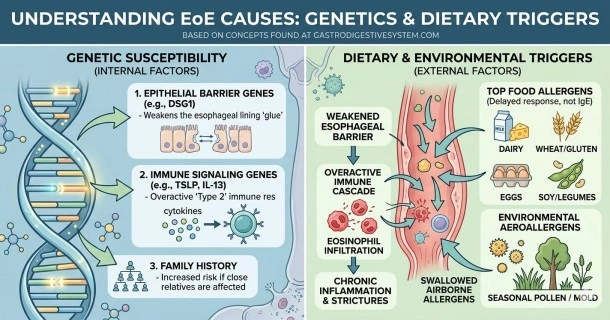
An EoE flare-up happens because of a breakdown in the barrier of the food pipe (esophagus). When this lining is weak, harmless proteins from food or the air slip through. This triggers an overactive Type 2 helper T-cell (Th2) immune response. The body releases an excess of white blood cells called eosinophils. These cells build up in the esophageal tissue, causing chronic inflammation, swelling, and eventually structural narrowing.
The Primary Food Triggers in EoE
Unlike classic food allergies that cause immediate hives or anaphylaxis via IgE antibodies, EoE involves a delayed immune response. This makes identifying the exact dietary culprit more difficult. Clinical research highlights specific food groups as the top triggers for esophageal inflammation:
- Dairy Products (Cow's Milk): Statistically the most common dietary trigger in both children and adults. The proteins in milk (casein and whey) frequently spark the Th2 inflammatory cascade.
- Gluten and Wheat: A highly frequent trigger. Eliminating wheat proteins often leads to significant tissue healing in a large percentage of patients.
- Eggs: The proteins found primarily in egg whites are common drivers of delayed esophageal eosinophilia.
- Soy and Legumes: Often implicated in pediatric cases, requiring targeted elimination trials to identify.
- Nuts and Seafood: Tree nuts, peanuts, fish, and shellfish can act as triggers, though they are less frequently isolated as the sole cause compared to dairy and wheat.
Environmental and Seasonal Triggers
Many patients notice that their symptoms worsen during specific times of the year. This seasonal variation highlights the powerful role that airborne allergens play in driving the disease:
- Aeroallergens (Pollen and Molds): Inhaling tree, grass, or weed pollens can worsen esophageal inflammation. This happens either through direct swallowing of trapped particles or a systemic immune cross-reaction.
- The "Allergic March": There is a strong medical link between EoE and other atopic diseases. A vast majority of individuals diagnosed with EoE also suffer from asthma, eczema (atopic dermatitis), or allergic rhinitis (hay fever).
- Seasonal Fluctuations: Medical studies confirm that EoE diagnoses and symptom flare-ups peak during spring and summer, matching high outdoor pollen counts.
Genetic and Biological Risk Factors
While environmental exposures act as the trigger, a person's underlying biology determines their susceptibility. Research into eosinophilic esophagitis genetic risk factors reveals several key components:
- Epithelial Barrier Genes: Variations in genes like DSG1 (Desmoglein-1) weaken the cellular "glue" holding the esophageal lining together. This makes it easier for allergens to penetrate the tissue.
- Immune Signaling Genes: Genetic changes in pathways regulating Interleukin-5 (IL-5) and Interleukin-13 (IL-13)—the chemical messengers that tell eosinophils to multiply and migrate—cause the body to overreact to minor irritants.
- Family History: Having a first-degree relative (parent or sibling) with EoE significantly increases an individual's risk of developing the condition, confirming a hereditary component.
- Early Life Factors: Studies suggest that disruptions to the early-stage microbiome, such as birth via Cesarean section, infantile antibiotic use, or lack of breastfeeding, may alter immune system development and increase later vulnerability.
Frequently Asked Questions (FAQ)
Is Eosinophilic Esophagitis an autoimmune disease or an allergy?
EoE is classified as an immune-mediated allergic disease rather than a true autoimmune condition. In autoimmune diseases, the immune system mistakenly attacks the body's own healthy cells. In EoE, the immune system is overreacting to external, harmless foreign proteins (like food or pollen) entering the esophageal wall.
What causes unexpected Eosinophilic Esophagitis flare-ups?
Unexpected flare-ups are usually caused by hidden dietary cross-contamination, a sudden spike in seasonal environmental pollen, or eating dry, dense foods when the esophagus is already silently inflamed.
Can chronic acid reflux (GERD) cause EoE?
Severe gastroesophageal reflux disease (GERD) does not directly cause EoE, but the two conditions can aggravate each other. Acid reflux damages the esophageal lining, breaking down its protective barrier. This damage makes it easier for food allergens to penetrate the tissue and trigger an EoE immune response.