
Explore the clinical symptoms of eosinophilic enteritis. Learn to identify early digestive issues, systemic signs, and layer-specific complications like ascites.
Eosinophilic Enteritis Symptoms: Identifying the Clinical Signs and Layer Complications
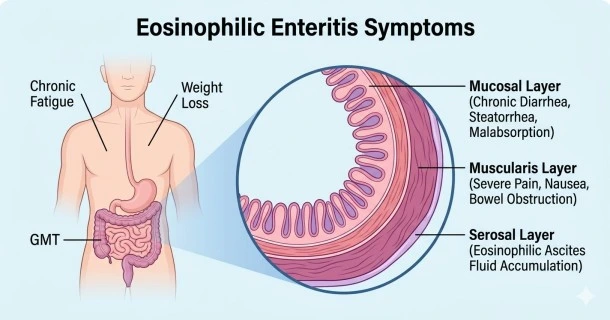
The clinical signs and symptoms of eosinophilic enteritis are highly variable and depend primarily on which layer of the small intestine wall has been infiltrated by eosinophils. Because these symptoms overlap significantly with more common gastrointestinal disorders like irritable bowel syndrome (IBS), celiac disease, or food allergies, tracking the exact combination of your digestive and systemic signs is critical to helping your medical team narrow down a precise diagnosis.
Layer-Specific Clinical Symptoms (The Klein Criteria)
Gastroenterologists categorize eosinophilic enteritis symptoms based on the depth of cellular invasion within the tissue layers of the small bowel:
Mucosal Layer Symptoms (Most Common)
When eosinophils invade the innermost lining responsible for absorbing food, it leads to severe mucosal dysfunction and malabsorption:
- Chronic, Watery Diarrhea: Persistent loose stools driven by the small intestine's inability to absorb fluids and solutes properly.
- Steatorrhea (Fatty Stools): Pale, oily, foul-smelling stools that float, caused by a complete failure to digest and absorb dietary fats.
- Severe Weight Loss and Malnutrition: Rapid, unintended weight drop resulting from microvilli degradation.
- Protein-Losing Enteropathy: Severe loss of serum proteins through the inflamed mucosa, which can trigger systemic swelling (edema) in the legs and ankles.
Muscularis Layer Symptoms
When the white blood cells penetrate the middle muscular wall, the tissue responds by thickening, stiffening, and losing its natural wave-like movements (peristalsis):
- Intense Abdominal Pain and Cramping: Severe, colicky pain that typically worsens shortly after eating.
- Nausea and Projectile Vomiting: Driven by food being unable to progress naturally through a rigid small bowel.
- Partial or Total Bowel Obstruction: The swollen muscular walls can close off the intestinal lumen entirely, leading to severe abdominal distension and an inability to pass gas or stool.
Serosal Layer Symptoms (Rarest Presentation)
If the inflammatory cells cross into the outermost membrane covering the intestines, it causes distinct fluid imbalances:
- Eosinophilic Ascites: A massive accumulation of fluid inside the peritoneal cavity, causing a visibly distended, tense abdomen.
- Severe Bloating and Early Satiety: Feeling completely full after consuming only a few bites of food due to pressure from the surrounding abdominal fluid.
Systemic and Atopic (Allergic) Symptoms
Because eosinophilic enteritis is an immune-mediated disorder closely tied to atopy, patients often experience whole-body and extraintestinal signs:
- Failure to Thrive (in Children): Growth delays, short stature, and delayed puberty caused by long-term nutritional deficiencies during critical development windows.
- Iron-Deficiency Anemia: Debilitating fatigue, pale skin, and dizziness resulting from chronic, microscopic blood loss through ulcerated intestinal tissue.
- Co-existing Allergic Flares: Concurrent spikes in asthma, worsening eczema (atopic dermatitis), or severe hives (urticaria) triggered by the same underlying immune hyper-reactivity.
Frequently Asked Questions (FAQs)
What are the earliest warning signs of eosinophilic enteritis?
The earliest warning signs are usually non-specific digestive issues, such as intermittent abdominal cramping, nausea after meals, and a change in bowel habits toward loose, watery stools. These initial signs are frequently misdiagnosed as standard food intolerances or irritable bowel syndrome until unexplainable weight loss or nutrient deficiencies surface.
How do doctor distinguish eosinophilic enteritis symptoms from celiac disease?
While both conditions cause malabsorption, weight loss, and diarrhea, celiac disease symptoms are triggered strictly by gluten ingestion and damage only the mucosa, whereas eosinophilic enteritis can involve deeper muscle layers and is triggered by multiple food or environmental allergens. A definitive distinction requires endoscopic tissue biopsies to look for dense eosinophil counts versus the villous atrophy patterns classic to celiac disease.
When do eosinophilic enteritis symptoms become a medical emergency?
Symptoms become a medical emergency if you develop signs of a complete bowel obstruction or severe infection. Seek immediate emergency medical care if you experience a sudden onset of rigid, unbearable abdominal pain, continuous projectile vomiting, an inability to pass gas or bowel movements, a high fever, or a rapidly swelling, fluid-filled abdomen.