
Explore medically approved treatments for Crohn's disease. Learn how gastroenterologists use biologics, immunomodulators, diet, and surgery to induce long-term remission.
Crohn’s Disease Treatment: A Comprehensive Overview of Modern Medical Options
Because Crohn’s disease is a chronic, progressive condition, treatment focuses on suppressing active mucosal inflammation, inducing long-term clinical remission, and preventing structural bowel damage. There is no universal cure, so gastroenterologists design individualized, stepped treatment plans tailored entirely to the disease location, behavioral phenotype, and clinical severity.
Early therapeutic intervention is essential to prevent complications such as strictures, fistulas, or the need for extensive surgical resections.
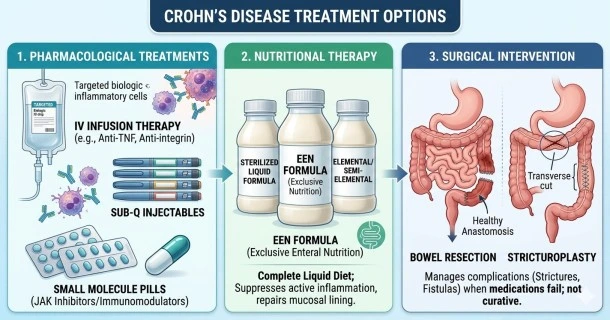
1. Advanced Pharmacological Treatments (Medications)
Medication forms the backbone of Crohn’s disease management, aiming to alter or control the body's overactive immune pathways:
- Biologic Therapies and Biosimilars: These targeted therapies are engineered proteins that block specific inflammatory cytokines. They include Anti-TNF agents (e.g., Infliximab, Adalimumab), Anti-integrins (e.g., Vedolizumab) which stop inflammatory cells from entering gut tissue, and Anti-IL-12/IL-23 agents (e.g., Ustekinumab).
- Immunomodulators: Medications like Azathioprine, 6-Mercaptopurine (6-MP), and Methotrexate help reduce immune system activity over time. They are frequently used alongside biologics to increase treatment efficacy.
- Corticosteroids: Drugs such as Prednisone or Budesonide are highly potent anti-inflammatory agents used strictly for short-term management to rapidly quiet severe flare-ups. Due to system-wide side effects, they are not used for maintenance therapy.
- Targeted Small Molecules: Newer oral options, such as JAK inhibitors (e.g., Upadacitinib) or S1P receptor modulators, offer advanced molecular targeting for patients who do not respond well to standard biologics.
2. Surgical Interventions
When medications fail to control active inflammation, or when physical alterations threaten the function of the bowel, surgery becomes a necessary management tool. Surgery is not a cure, as inflammation can recur near the surgical margins:
- Bowel Resection: The surgical removal of a severely diseased, ulcerated section of the intestine, followed by the reconnection (anastomosis) of the remaining healthy bowel ends.
- Stricturoplasty: A surgical technique that widens a narrowed section of the intestine (stricture) without removing any bowel tissue, preserving intestinal length and reducing malabsorption risks.
- Fistula Repair and Abscess Drainage: Procedures designed to close abnormal tissue tracts (fistulas) or place temporary draining loops (setons) to clear localized infections around the perianal region.
3. Nutritional and Dietary Therapy
Dietary adjustments help manage symptoms, correct malnutrition, and support mucosal healing:
- Exclusive Enteral Nutrition (EEN): A specialized liquid formula diet that replaces all solid food for 4 to 8 weeks. EEN is highly effective at reducing inflammation and inducing clinical remission, particularly in pediatric Crohn's disease.
- Therapeutic Diets: During milder phases or remission, tailored dietary frameworks—such as the Crohn’s Disease Exclusion Diet (CDED) or a low-FODMAP diet—are used under expert guidance to minimize gut irritation and rebalance the microbiome.
Frequently Asked Questions (FAQs)
What is the most effective biological treatment for Crohn’s disease?
There is no single "most effective" biologic because patient responses depend on their specific disease phenotype and immune biology. Anti-TNF drugs like Infliximab are highly effective for severe or fistulizing disease, while newer agents like Vedolizumab or Ustekinumab offer targeted action with favorable systemic safety profiles. Your gastroenterologist will select a biologic based on your clinical profile.
How long do you have to stay on Crohn's disease medications?
Because Crohn’s disease is a lifelong condition, most maintenance therapies, such as biologics or immunomodulators, are intended for long-term or indefinite use. Discontinuing these medications often leads to a rapid return of microscopic tissue inflammation, even if you feel entirely healthy at the time.
Can lifestyle changes replace prescription medications for Crohn’s disease?
No, lifestyle modifications and dietary improvements cannot replace prescription medical therapies. While a healthy lifestyle, stress management, and a balanced diet are excellent supportive tools that lower systemic stress and symptom severity, they cannot suppress the deep, transmural immune-mediated inflammation that causes permanent bowel damage.