
Learn how a Giardia parasite infection is treated. Discover standard prescription medications, crucial dietary guidelines for recovery, and how long treatment takes.
Giardiasis Treatment Options
Treating giardiasis involves targeted medical intervention to eradicate the Giardia duodenalis parasite from the small intestine, alongside supportive care to manage symptoms and encourage intestinal healing. While a healthy immune system can occasionally clear the parasite without help, prescription medication is strongly recommended for anyone with persistent or severe symptoms to prevent chronic nutrient malabsorption and ongoing transmission.
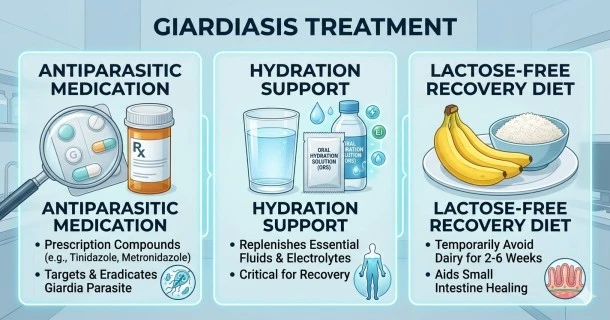
Your healthcare provider will establish a treatment strategy combining prescription antimicrobials, hydration support, and temporary lifestyle adaptations.
1. First-Line Prescription Medications
Because Giardia is a microscopic protozoan parasite rather than a bacterium, standard antibiotics used for common stomach bugs are ineffective. Doctors rely on specific antiparasitic compounds:
- Tinidazole: Often utilized as a preferred first-line option, this medication is highly effective and frequently administered as a convenient single oral dose for adults and children over three years old.
- Metronidazole: A traditional and highly reliable treatment option, metronidazole typically requires a 5- to 7-day course of oral pills taken three times daily. It is critical to entirely avoid alcohol during treatment and for 48 hours afterward to prevent severe nausea and vomiting.
- Nitazoxanide: Available as both a tablet and a liquid suspension, this option is frequently prescribed for children due to its pleasant taste. It is typically taken as a 3-day course.
- Alternative Options for Pregnancy: Because many standard antiparasitic drugs can cross the placenta, pregnant individuals require specialized care. Doctors often prescribe paromomycin, a medication poorly absorbed by the intestinal tract, minimizing systemic exposure to the developing fetus.
2. Managing Post-Infection Intestinal Sensitivity
Even after laboratory tests confirm that the parasite has been completely eradicated, the structural lining of your small intestine needs time to regenerate.
- Temporary Lactose Intolerance: The Giardia parasite flattens the tiny, nutrient-absorbing villi within the small bowel, destroying the enzymes responsible for breaking down dairy sugars. It is highly recommended to avoid milk, cheese, and ice cream for 2 to 6 weeks post-treatment to prevent recurring gas, bloating, and loose stools.
- Gradual Dietary Reintroduction: Focus on a nutrient-rich, easily digestible diet as your gut heals. Gradually reintroduce high-fiber foods, healthy fats, and complex carbohydrates to avoid overwhelming your sensitive digestive tract.
3. Hydration and Preventing Re-infection
- Electrolyte Replacement: Continue to drink clean water, clear broths, or commercial oral rehydration solutions (ORS) to fully replace the vital fluids lost during the diarrheal phase of the illness.
- Strict Personal Hygiene: To ensure you do not immediately re-infect yourself or pass the parasite to family members, sanitize household surfaces, wash bedding in hot water, and maintain rigorous hand hygiene after using the restroom.
Frequently Asked Questions (FAQs)
What is the most effective medication used to treat Giardia?
The most common and effective treatments are targeted prescription antiparasitic drugs. Doctors frequently choose tinidazole as a fast-acting, single-dose option, or prescribe a short multi-day course of metronidazole or nitazoxanide.
How long does it take to fully recover from giardiasis?
With proper prescription treatment, the parasite is typically cleared from the body within 3 to 7 days. However, full gastrointestinal recovery can take several weeks or months as the damaged lining of the small intestine completely heals.
Why did my diarrhea return after finishing Giardia treatment?
Recurring symptoms are frequently caused by temporary lactose intolerance resulting from past tissue damage, or post-infectious irritable bowel syndrome (IBS). Less commonly, it indicates treatment failure or accidental re-exposure to the parasite, which requires a follow-up stool test from your doctor.
Can you treat a Giardia parasite infection naturally at home?
No, there are no proven home remedies or natural supplements capable of completely eliminating Giardia cysts from the human gut. While hydration and rest are excellent supportive measures, prescription medical therapy remains essential to successfully cure the infection and prevent chronic malabsorption.