
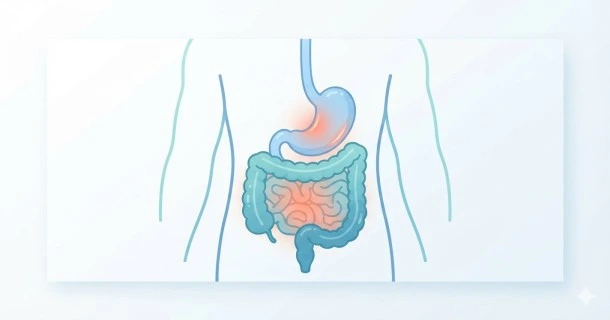
Discover what gastroenteritis (stomach flu) is, how long it lasts, and how it spreads. Learn the difference between acute and chronic gastrointestinal infections.
What is Gastroenteritis?
Gastroenteritis is a medical condition characterized by inflammation of the lining of the stomach and the intestines. Commonly known as the "stomach flu," "stomach bug," or "tummy bug," it is usually driven by a temporary viral, bacterial, or parasitic infection. While the colloquial name includes the word "flu," gastroenteritis is entirely unrelated to the influenza virus, which primarily affects the respiratory system.
Key Facts About Gastroenteritis
- Global Impact: An estimated 3 to 5 billion cases occur worldwide every year, making it one of the most common infectious syndromes globally.
- Highly Contagious: The underlying pathogens spread easily through the fecal-oral route, contaminated food or water, and close contact with an infected person.
- Age Prevalence: While anyone can contract it, young children—especially those in developing countries—experience the highest frequency of infections due to developing immune systems.
Types of Gastroenteritis: Acute vs. Chronic
Medical professionals primarily classify gastroenteritis based on the duration and underlying cause of the intestinal inflammation:
1. Acute Gastroenteritis
Acute gastroenteritis is a sudden-onset infection that typically resolves within a few days to two weeks. It is most frequently caused by highly contagious viruses like Norovirus (the leading cause of foodborne illness in adults) and Rotavirus (the primary cause of severe diarrhea in infants and young children). Bacterial agents like Salmonella, E. coli, or Campylobacter can also trigger acute episodes, often referred to as food poisoning.
2. Chronic Gastroenteritis
Chronic gastroenteritis is a much less common form of the condition where inflammation persists over a prolonged period (typically lasting more than 14 to 30 days). Rather than a standard viral "stomach bug," chronic intestinal inflammation is frequently tied to persistent parasitic infections, underlying food allergies, medication side effects, or chronic conditions like Inflammatory Bowel Disease (IBD).
Understanding the Anatomy: Small vs. Large Intestine
The type of gastrointestinal distress often depends on which part of your digestive system the pathogen targets:
- Small Intestine Involvement: Infections here are typically non-inflammatory. Pathogens disrupt the watery balance of the bowel, leading to voluminous, watery stools.
- Large Intestine Involvement: Infections in the colon tend to be invasive and inflammatory. This can damage the mucosal lining, resulting in smaller, frequent stools that may contain mucus or blood (often referred to as dysentery).
Learn More About Gastroenteritis
If you are looking for specific details on how to identify, prevent, or manage this condition, explore our comprehensive guides:
- Gastroenteritis Symptoms – Learn how to spot early signs and identify dangerous dehydration markers.
- Gastroenteritis Causes – A deep dive into viral, bacterial, and parasitic triggers.
- Gastroenteritis Treatments – Discover medical therapies and rehydration strategies.
- Gastroenteritis Diet & Prevention – What to eat while recovering and how to protect your household.
Frequently Asked Questions (FAQs)
What is the medical definition of gastroenteritis?
Gastroenteritis is the inflammation of the mucous membranes lining the stomach and the intestines, typically triggered by an infection.
Is gastroenteritis the same thing as the flu?
No. Influenza ("the flu") is a respiratory illness caused by influenza viruses. Gastroenteritis ("stomach flu") is a digestive tract illness caused by entirely different viruses, bacteria, or parasites.
How does a stomach bug spread?
The infection spreads primarily through the fecal-oral route. This occurs by consuming contaminated food or water, touching contaminated surfaces, or having close physical contact with someone who is actively infected.
How long does acute gastroenteritis usually last?
Most mild, viral cases of acute gastroenteritis improve on their own within 1 to 3 days, though some bacterial or severe viral infections can persist for up to two weeks.
When should I see a doctor for gastroenteritis?
You should seek medical attention immediately if you experience signs of severe dehydration (extreme thirst, dry mouth, little to no urination, severe dizziness), persistent vomiting that prevents fluid retention, a high fever, or bloody stools.