
Discover effective medical treatments and home remedies for infectious enteritis. Learn about hydration, antibiotics, dietary guidelines, and when to seek urgent care.
Infectious Enteritis Treatment Options
Managing infectious enteritis focuses on clearing the underlying viral, bacterial, or parasitic pathogen while supporting your digestive system as it heals. Because severe diarrhea and vomiting can rapidly deplete your body of essential fluids, the cornerstone of any treatment plan is preventing or correcting dehydration.
Depending on the cause and severity of your infection, your healthcare provider will recommend a combination of home therapies, dietary adjustments, and targeted prescription medications.
1. Fluid and Electrolyte Replacement
Maintaining adequate hydration is the most critical component of treating infectious enteritis.
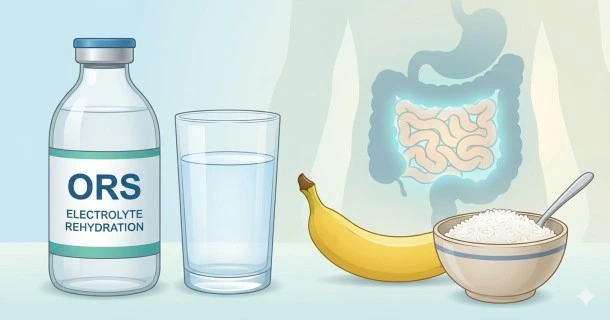
- Oral Rehydration Solutions (ORS): For mild to moderate cases, over-the-counter ORS packets mixed with clean water are ideal. These solutions contain a precise balance of water, salts, and glucose that your inflamed small intestine can easily absorb.
- Intravenous (IV) Fluids: If severe vomiting or extreme weakness prevents you from keeping liquids down, hospital-based IV fluid resuscitation may be required to restore fluid balance quickly.
2. Dietary Adjustments for Gut Recovery
While your intestines are inflamed, modifying your diet can significantly reduce digestive stress and minimize cramping.
- Bland Foods: Transition to easily digestible items like bananas, rice, applesauce, and toast (often called the BRAT diet) once your appetite begins to return.
- Foods to Avoid: Steer clear of high-fat foods, dairy products (temporary lactose intolerance is common during recovery), spicy seasonings, artificial sweeteners, caffeine, and alcohol, all of which can aggravate diarrhea.
3. Targeted Pharmacological Treatments
Medication options depend entirely on the specific organism causing the enteritis, which is typically identified through stool testing.
- Antibiotics: These are only prescribed for confirmed bacterial infections (such as severe Salmonella, Campylobacter, or Shigella) or specific circumstances like high fever and systemic illness. Antibiotics will not treat viral enteritis and can sometimes worsen conditions like C. diff.
- Antiparasitic Medications: If tests confirm a parasitic cause (like Giardia or Cryptosporidium), targeted prescription antimicrobials are used to clear the parasites.
- Antidiarrheal Agents: Over-the-counter medications like loperamide should be used with extreme caution. If you have a bacterial infection or a high fever, slowing down your bowel movements can trap toxins inside your digestive tract, potentially worsening the condition. Always consult a doctor before using them.
- Probiotics: Some clinical evidence suggests that specific probiotic strains can help restore healthy gut flora and shorten the duration of post-infectious diarrhea.
Frequently Asked Questions (FAQs)
What is the primary treatment for infectious enteritis?
The main treatment is aggressive fluid and electrolyte replenishment to prevent dehydration. Most viral and mild bacterial infections resolve on their own with rest, proper oral rehydration solutions, and a temporary bland diet.
Can antibiotics cure all cases of infectious enteritis?
No. Antibiotics are only effective against bacterial infections and are not used for viral enteritis (like Norovirus or Rotavirus). Using antibiotics inappropriately can disrupt your natural gut microbiome and prolong your recovery.
What should I eat while recovering from enteritis?
Stick to a bland diet featuring foods like crackers, boiled rice, plain toast, oatmeal, and bananas. Avoid dairy, high-fiber foods, greasy meals, caffeine, and sugary drinks until your bowel movements return to normal.
When does infectious enteritis require emergency treatment?
Seek immediate emergency medical care if you show signs of severe dehydration (confusion, dark urine, extreme dizziness, inability to keep liquids down), experience severe localized abdominal pain, pass bloody or black stools, or run a high fever above 102°F (38.9°C).